Blog
Your vision shapes how you experience the world, yet eye health extends far beyond simply seeing clearly. The choices you make about vision correction, the professionals you trust with your care, and how you integrate eye health into your overall wellness all play crucial roles in maintaining not just sharp sight, but total body health. Many people approach vision care reactively—waiting for problems to arise before seeking help—but this overlooks the preventative power of proactive eye care and the sophisticated role modern optometry plays in early disease detection.
This comprehensive resource explores three interconnected pillars of optimal vision health: selecting and optimizing vision correction methods that truly fit your life, understanding the full scope of what your eye care team can do for you, and recognizing how your eyes serve as windows to your systemic health. Whether you’re navigating different correction options, curious about what happens during an eye exam, or building a lifelong wellness plan, this foundational overview will equip you with the knowledge to make informed decisions about your visual and overall health.
Choosing and Optimizing Your Vision Correction
Vision correction isn’t one-size-fits-all. The method that works perfectly for your desk job might fail spectacularly during weekend rock climbing, and what seems economical initially may cost more over time. Understanding how to match correction to your actual daily demands—and avoid common mistakes—transforms vision correction from a simple prescription into a personalized visual system.
Matching Correction to Your Lifestyle and Occupation
Think of vision correction like athletic shoes: running shoes excel at running but perform poorly for basketball. Similarly, standard single-vision glasses might be perfect for computer work but create challenges for pilots, surgeons, or athletes who need peripheral awareness and impact resistance. Your occupation and hobbies should directly inform your correction strategy.
High-intensity environments—whether physically demanding jobs, competitive sports, or precision technical work—often expose the limitations of conventional correction. Contact lenses offer wider fields of view without frames obstructing peripheral vision, crucial for athletes and active professionals. However, dusty construction sites or environments with airborne particles can make contacts uncomfortable or unsafe. In these scenarios, protective eyewear with prescription inserts or specialized sports glasses might be optimal.
Consider these lifestyle factors when selecting correction methods:
- Environmental exposure: Dust, chemicals, water, or extreme temperatures may favor certain correction types
- Physical activity level: High-impact activities require secure, durable solutions
- Visual task variety: Frequent switching between near and distance work may benefit from progressive lenses or multifocal contacts
- Maintenance capacity: Daily lens cleaning routines versus monthly replacement schedules fit different lifestyles
Understanding True Costs and Practical Transitions
When comparing correction methods, the sticker price tells only part of the story. Daily disposable contact lenses might seem expensive compared to a single pair of glasses, but when you factor in multiple pairs of glasses for different activities (computer glasses, sunglasses, sports eyewear), the calculation shifts dramatically.
A realistic annual cost comparison should include:
- Initial purchase or fitting fees
- Replacement cycles (new glasses every two years, contact lens supplies throughout the year)
- Cleaning solutions and maintenance supplies
- Backup options (spare glasses, backup contact lenses for travel)
- Activity-specific additions (prescription sunglasses, swimming goggles)
Many people benefit from mixed usage approaches—glasses for mornings and evenings, contacts for workdays or sports. Transitioning smoothly between methods requires understanding adaptation periods. Your eyes need several days to adjust when switching from glasses to contacts or vice versa, particularly with higher prescriptions. Plan transitions around less visually demanding periods rather than before important presentations or competitions.
Avoiding Common Pitfalls: The Risks of Over-Wearing
Perhaps the most dangerous misconception about vision correction is that “more wear time equals better value.” Contact lenses, in particular, have strict wearing schedules for critical health reasons. Over-wearing contact lenses—sleeping in daily lenses, extending replacement schedules, or wearing lenses beyond recommended daily hours—deprives your cornea of oxygen and dramatically increases infection risk.
Think of your cornea like skin that breathes: cover it too long without breaks, and problems develop. Even lenses approved for extended wear require careful monitoring. Signs you’re over-wearing any correction type include persistent eye redness, increased sensitivity to light, fluctuating vision throughout the day, or frequent headaches. These symptoms signal that your visual system needs rest or a correction adjustment.
Your Eye Care Team: More Than Just Prescriptions
The perception of optometrists as simply “glasses doctors” who read letter charts dramatically underestimates their role in your health. Modern optometry combines precise optical measurement with comprehensive medical examination, making your optometrist often the first healthcare provider to detect serious systemic diseases before symptoms appear elsewhere in your body.
The Comprehensive Scope of Optometric Care
A complete eye examination involves much more than determining if you need glasses. While refraction—the process of measuring your optical prescription—is one component, the medical examination portion assesses eye health through detailed inspection of internal and external structures. During this examination, optometrists evaluate the lens for cataracts, examine the retina for signs of macular degeneration or diabetic changes, measure eye pressure for glaucoma indicators, and assess nerve health.
This distinction matters because some people skip regular eye exams when their vision seems fine, not realizing that many serious eye conditions develop without early symptoms. Glaucoma, often called the “silent thief of sight,” typically causes no pain or vision changes until significant irreversible damage has occurred. Regular comprehensive exams catch these conditions at treatable stages.
Optometrists as Frontline Detectors of Systemic Disease
Your eyes reveal far more than visual health. The intricate network of blood vessels in your retina provides a unique window to vascular health throughout your body. Optometrists routinely identify early signs of diabetes, hypertension, high cholesterol, autoimmune conditions, and even certain cancers during routine eye examinations—sometimes before patients have been diagnosed or experienced symptoms.
For example, small hemorrhages or microaneurysms in retinal blood vessels often indicate diabetic changes, prompting referral for blood sugar testing. Unusual optic nerve appearance might suggest elevated intracranial pressure, leading to neurological evaluation. Specific patterns of eye inflammation can signal autoimmune disorders like rheumatoid arthritis or lupus. This detective work makes optometrists crucial members of your broader healthcare team, not isolated specialists.
Collaboration, Communication, and Maximizing Your Appointments
When surgical intervention becomes necessary—for cataracts, refractive surgery, or medical conditions—optometrists work closely with ophthalmologic surgeons in a coordinated care model. Typically, optometrists handle pre-surgical evaluation, help determine candidacy, provide post-operative care and monitoring, and manage long-term follow-up. This collaboration ensures you receive both surgical expertise and accessible ongoing care.
To maximize the value of your eye care appointments, come prepared with:
- A list of all medications and supplements (many affect eyes or interact with eye treatments)
- Family history of eye conditions and systemic diseases
- Specific visual challenges you’re experiencing (when they occur, what makes them better or worse)
- Questions about prevention or lifestyle modifications
Don’t hesitate to ask your optometrist to explain findings in accessible language. Effective patient-doctor communication transforms appointments from passive screenings into collaborative health partnerships. Understanding why certain tests are performed or what specific findings mean empowers you to take active ownership of your eye health.
Vision as a Window to Whole-Body Health
The most forward-thinking approach to eye care recognizes that vision doesn’t exist in isolation from the rest of your body. Your cardiovascular health, nutrition, sleep quality, stress levels, and chronic conditions all directly impact your eyes. Conversely, the health of your visual system provides predictive information about systemic risks, making integrated care essential for true wellness.
How Eyes Predict Systemic Health Risks
Medical research has established strong connections between eye health and body-wide conditions. Retinal vascular changes correlate closely with cardiovascular disease risk—the same processes causing atherosclerosis in heart arteries affect the delicate vessels in your eyes. Studies have shown that individuals with certain retinal vascular patterns face significantly elevated risks of heart attack and stroke, even when traditional risk factors seem controlled.
Similarly, eye examinations can reveal nutritional deficiencies, with specific patterns indicating inadequate vitamin A, B vitamins, or antioxidants. Chronic inflammation, whether from autoimmune conditions or lifestyle factors, often manifests in eye structures before causing noticeable symptoms elsewhere. This predictive capacity makes regular eye examinations valuable screening opportunities that extend far beyond vision itself.
Building an Integrated Health Team
Truly comprehensive healthcare requires coordination among specialists who communicate about your overall picture rather than treating isolated systems. Your ideal health team should include:
- Primary care physician: Coordinates overall health, manages chronic conditions, orders relevant testing
- Optometrist: Monitors visual and ocular health, screens for systemic disease indicators
- Relevant specialists: Endocrinologist for diabetes, cardiologist for heart conditions, rheumatologist for autoimmune diseases
- Wellness professionals: Nutritionist, mental health provider, physical therapist as needed
The risk of compartmentalizing health—treating each system independently without recognizing connections—leads to missed diagnoses, contradictory treatments, and suboptimal outcomes. When your optometrist discovers diabetic retinal changes, that information should flow to your primary care doctor to intensify diabetes management. When your cardiologist prescribes new blood pressure medication, your optometrist should know because some medications affect tear production or eye pressure.
Shifting From Reactive to Preventative Vision Care
Most people engage with healthcare reactively—addressing problems after they develop rather than preventing them from occurring. This approach works poorly for eyes because many serious conditions cause irreversible damage before symptoms appear. Preventative care flips this model by establishing regular monitoring that catches problems at their earliest, most treatable stages.
A lifelong vision plan should include:
- Age-appropriate examination frequency: Annual exams for children, adults over 60, and anyone with risk factors; every two years for low-risk adults
- Lifestyle modifications: UV protection, screen time management, nutrition rich in lutein and omega-3 fatty acids
- Risk factor management: Controlling diabetes and hypertension, maintaining healthy weight, avoiding smoking
- Baseline measurements: Early documentation of your normal patterns allows detection of subtle changes over time
Prevention extends beyond examinations to daily habits. Just as you wouldn’t skip dental hygiene because your teeth feel fine, eye health requires consistent protective behaviors—wearing sunglasses in bright conditions, taking regular breaks during extended near work, maintaining proper screen ergonomics, and prioritizing sleep that allows eyes to recover from daily demands.
Understanding vision correction options, recognizing the comprehensive role of your eye care team, and integrating eye health into your overall wellness approach transforms how you care for your sight. These interconnected elements—thoughtful correction choices, collaborative professional relationships, and preventative whole-body health strategies—create a foundation for lifelong visual clarity and health that extends far beyond simply seeing well today.
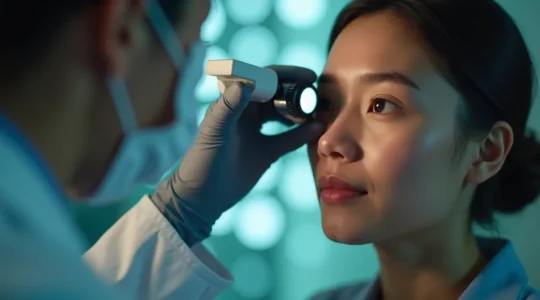
Vision Insurance or Health Insurance: Which Should You Use for a Red Eye?
The insurance you use for a red eye depends entirely on your “chief complaint”—the specific words you use to describe your problem to the doctor’s office. A medical complaint like “I have a red, painful eye” triggers your medical insurance….
Read more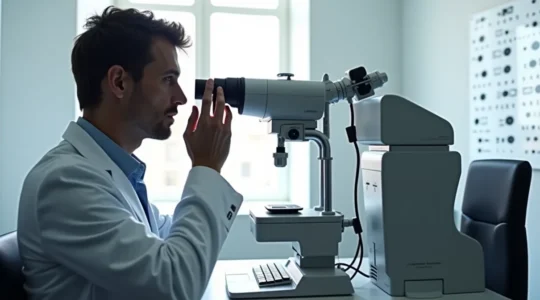
What Can an Optometrist Diagnose That a GP Cannot Detect?
Optometrists do more than check vision; they are primary care providers who can see direct, physical evidence of systemic diseases in your eyes, often before symptoms appear elsewhere. They can spot cholesterol plaques in retinal arteries, a direct warning of…
Read more
Glasses or Contacts: Which Correction Solution Fits a 12-Hour Shift?
The best vision strategy for a 12-hour shift isn’t choosing between glasses or contacts—it’s building a hybrid system that uses both. Glasses with specialized coatings are ideal for prolonged, static tasks like screen work to reduce digital eye strain. Modern…
Read more