Care and use
Your eyes are remarkably resilient, yet they require consistent, informed care to maintain their health and function. Whether you wear contact lenses daily, use corrective eyewear, or simply want to protect your vision during activities, understanding the fundamentals of optical care can mean the difference between clear, comfortable sight and serious complications. The delicate ecosystem of your eyes responds to every product you use, every cleaning habit you develop, and every protective choice you make.
This comprehensive resource brings together the essential knowledge you need to care for your eyes and optical products safely and effectively. From the microscopic threats lurking in seemingly clean water to the chemical interactions between lens materials and solutions, we’ll explore the science behind best practices. You’ll discover why certain shortcuts can lead to infections, how to select products that work with your unique eye chemistry, and what protective measures can prevent vision-threatening injuries. Think of this as your foundation—a clear roadmap through the complex world of eye care that connects hygiene, product selection, and safety into one cohesive approach.
Preventing Eye Infections Through Proper Hygiene
Eye infections represent one of the most common yet preventable complications for contact lens wearers. The surface of your eye creates an ideal environment for microorganisms when its natural defenses are compromised, and contact lenses can inadvertently serve as vehicles for bacteria, fungi, and even parasites.
Why Contact Lenses Create Risk
Contact lenses function like bacterial sponges when not properly maintained. The porous structure of lens materials, combined with the protein-rich tear film coating them, creates an attractive surface for microorganisms to colonize. Studies have shown that bacteria can double their population every 20 minutes under optimal conditions, meaning a small contamination can become a serious threat within hours.
Water: The Hidden Danger
Tap water contains microorganisms that pose minimal risk when ingested but can be devastating to eyes. Acanthamoeba, a microscopic organism found in most water supplies, can cause severe corneal infections that are notoriously difficult to treat. This is why rinsing lenses with tap water, showering while wearing contacts, or swimming with lenses should be avoided completely.
The Infection Prevention Protocol
Preventing infections requires a multi-layered approach. Always wash your hands with soap and dry them with a lint-free towel before touching lenses. Clean household items that come near your eyes—pillowcases, towels, and makeup brushes—regularly. If you develop symptoms like redness, pain, or discharge, remove lenses immediately and consult an eye care professional. The decision between antibiotics and watchful waiting should always be made by a qualified practitioner, as incorrect self-treatment can worsen outcomes.
Contact Lens Cleaning: The Essential Steps
Proper lens cleaning is not a single action but a carefully orchestrated routine designed to remove contaminants, kill pathogens, and prepare lenses for safe wear. Each step serves a specific purpose, and skipping any component compromises the entire process.
The Mechanical Cleaning Foundation
The physical rubbing step cannot be replaced by chemical disinfection alone. When you gently rub each lens surface with solution, you’re mechanically removing biofilm—the sticky matrix of bacteria and proteins that adheres stubbornly to plastic surfaces. Think of biofilm like plaque on teeth; brushing (mechanical action) is essential even when you use mouthwash (chemical disinfection). For fragile lenses, use a flat finger pad with minimal pressure, ensuring you clean both sides for at least 20 seconds per lens.
Heat Versus Chemical Disinfection
Disinfection methods fall into two categories. Heat disinfection uses elevated temperatures to denature proteins and destroy microorganisms, while chemical disinfection relies on antimicrobial agents in your solution. Chemical methods dominate modern lens care because they’re more convenient and compatible with today’s lens materials, but they require adequate contact time. Hydrogen peroxide systems, for example, need precise neutralization timing—rushing this step leaves caustic peroxide that will burn your eyes.
The Critical Rinse
After rubbing, rinsing removes dislodged debris and residual solution. Use fresh solution—never reused or “topped off” liquid—and rinse each lens for at least five seconds. Rushing the rinse leaves contaminants on the lens surface, defeating the purpose of your cleaning effort. This step is your quality control, ensuring all your previous work translates to a truly clean lens.
Choosing the Right Lens Solution
The solution you select must balance three critical factors: effective disinfection, compatibility with your lens material, and tolerance by your eye’s unique chemistry. Not all solutions are created equal, and the wrong choice can cause discomfort or even damage.
Understanding Preservative Chemistry
Most multipurpose solutions contain preservatives to prevent bacterial growth in the bottle. However, some preservatives like benzalkonium chloride (BAK) can cause toxic reactions in sensitive eyes, leading to redness, stinging, and allergic responses. If you experience persistent discomfort, the preservative—not the lens—may be the culprit. Hydrogen peroxide systems offer preservative-free alternatives, though they require strict adherence to neutralization protocols.
Matching Solution to Lens Material
Silicone hydrogel lenses interact differently with solutions than traditional hydrogel materials. Some solutions are specifically formulated to remove lipid deposits from silicone lenses, while others optimize hydration for conventional materials. Check your lens manufacturer’s recommendations, as using incompatible products can reduce lens lifespan or cause discomfort.
Multipurpose Versus Saline Solutions
This distinction causes considerable confusion. Multipurpose solutions clean, rinse, disinfect, and store lenses in one formula. Saline solution is simply sterile saltwater—it rinses but does not disinfect. Using saline for storage allows bacteria to proliferate unchecked. Additionally, check expiration dates religiously; expired solution loses its antimicrobial effectiveness, and traveling with solutions requires planning to comply with liquid restrictions.
Managing Deposits and Buildup on Lenses
Even with meticulous cleaning, lenses accumulate deposits over time. These buildups blur vision, reduce comfort, and create surfaces where bacteria thrive. Understanding deposit types helps you prevent and address them effectively.
Lipid Deposits: Sources and Solutions
Oily buildup on optical surfaces comes primarily from meibomian glands in your eyelids, which secrete oils to prevent tear evaporation. Makeup, particularly oil-based products applied near the lash line, contributes significantly to this problem. Some evidence suggests that diets high in certain fats may increase lipid deposits, though individual variation is substantial.
Combating lipid buildup requires targeted approaches. Apply makeup after inserting lenses and remove lenses before removing makeup. Use oil-free, ophthalmologist-tested cosmetics. For stubborn deposits, enzymatic cleaners break down proteins and lipids that daily rubbing can’t remove, though they supplement rather than replace your daily routine.
The Risk of Permanent Lens Damage
Severe deposit accumulation can permanently cloud lenses or degrade their material structure. Once this damage occurs, no amount of cleaning will restore optical clarity. This is why replacement schedules matter—daily disposables eliminate deposit concerns entirely, while monthly lenses require vigilant care. Time your lens insertion to occur after applying skincare products, allowing absorption and minimizing transfer to lens surfaces.
Lens Case Hygiene: The Overlooked Factor
Your lens case receives less attention than it deserves, yet it’s often the primary source of contamination. Even when lenses are cleaned perfectly, a contaminated case immediately reintroduces pathogens.
Understanding Biofilm in Cases
Biofilm develops on plastic case surfaces just as it does on lenses. This slimy matrix shields bacteria from disinfectant solutions, allowing colonies to persist indefinitely. Biofilm formation begins within hours and becomes established within days, which is why cases require daily attention.
The Proper Case Maintenance Routine
After removing lenses each morning, empty your case completely—never top off old solution with fresh. Rinse the case with fresh solution (not tap water), then turn it upside down on a clean tissue to air-dry properly. Drying is crucial because bacteria need moisture to survive. Once weekly, clean the case with a soft brush and solution, paying attention to crevices where biofilm accumulates.
Case Types and Replacement
Screw-top cases seal tightly but can trap moisture if not dried properly, while barrel cases allow better airflow. Regardless of design, replace your case every three months minimum. Never attempt dishwasher cleaning—the heat may warp plastic, and residual detergent can irritate eyes. For travel, bring a backup case and consider daily disposable lenses to simplify hygiene on the go.
Eye Drops: Selection and Safe Application
Eye drops serve numerous purposes—lubrication, redness relief, allergy management—but using them correctly requires understanding both the product and proper technique.
Navigating Dry Eye Relief Options
The pharmacy aisle presents dozens of artificial tear products. Gel drops provide longer-lasting relief but can temporarily blur vision, making them ideal for nighttime use. Liquid tears offer quick relief without vision disruption, suitable for daytime application. Preservative-free single-dose vials eliminate toxicity risks for frequent users, though they cost more than multi-dose bottles with preservatives.
The Danger of Redness Relievers
Drops marketed for red eyes typically contain vasoconstrictors that shrink blood vessels temporarily. While they create the appearance of whiter eyes, they don’t address underlying causes and can lead to rebound redness—a cycle where eyes become redder when the medication wears off, prompting increased use. Reserve these products for occasional use only, and address chronic redness through professional evaluation.
Proper Application Technique
Tilt your head back, pull down your lower lid to create a pocket, and aim the dropper above—not touching—your eye. Dispense one drop (more just overflows), then close your eye and press gently on the inner corner for 30 seconds. This prevents drainage into your tear duct and maximizes ocular surface contact. When using drops with contact lenses, timing matters: preservative-containing drops should be applied 15 minutes before lens insertion or after removal to prevent preservative absorption into lens material.
Protective Eyewear for Safety and Sports
Vision protection during high-impact activities isn’t optional—it’s essential. Eye injuries can occur in milliseconds, and many result in permanent vision loss that could have been prevented with appropriate eyewear.
Understanding Impact Resistance
Regular plastic lenses shatter upon impact, creating sharp fragments that can cause severe injury. Polycarbonate lenses are the gold standard for protective eyewear because they’re virtually unbreakable and provide built-in UV protection. Sports glasses should meet ASTM standards for specific activities—racquetball, basketball, and carpentry each have different requirements based on typical impact types.
Addressing Common Concerns
Fogging plagues protective eyewear users, but solutions exist. Anti-fog coatings, proper ventilation, and fitting adjustments that prevent breath from reaching lenses all help. For prescription wearers, prescription inserts fit inside protective goggles, while over-glasses designs accommodate regular spectacles—though direct prescription sports glasses typically offer better fit and peripheral vision.
Protecting Children and Preventing Backyard Accidents
Children require special attention for protective eyewear. Growing faces need adjustable frames with secure straps to prevent shifting during activity. Many backyard accidents—from trimming hedges to mowing lawns—occur because safety glasses weren’t worn for “just a quick task.” Optimizing fit for children involves measuring regularly as they grow and selecting impact-resistant materials that withstand rough handling.
Mastering eye and optical care requires understanding that every step—from cleaning technique to product selection to protective equipment—interconnects to support your vision health. The practices outlined here form a comprehensive approach based on evidence and real-world experience. As you implement these strategies, remember that consistency matters more than perfection. Your eyes will reward your diligent care with clarity, comfort, and lasting health.
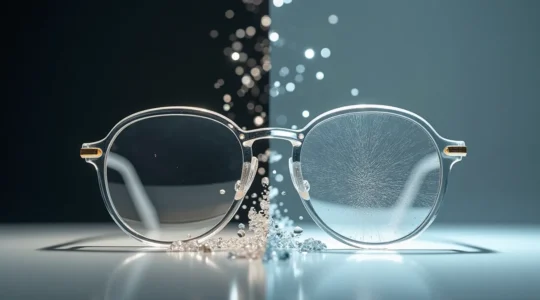
Polycarbonate or Trivex: Which Safety Material Offers Better Clarity?
For high-impact activities, the choice between Polycarbonate and Trivex is a critical trade-off between absolute impact strength and superior visual performance. Polycarbonate offers higher resistance to extreme velocity impacts, making it the standard for maximum-threat environments. Trivex delivers significantly clearer,…
Read more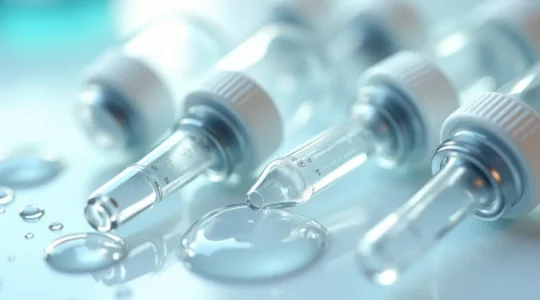
Preservative-Free or Bottle: Which Artificial Tear is Safe for Hourly Use?
The safety of frequent eye drop use hinges not on the bottle type, but on avoiding a single toxic preservative (BAK) and mastering sterile application. Preservative-free (PF) drops are essential for use more than 4-6 times a day to prevent…
Read more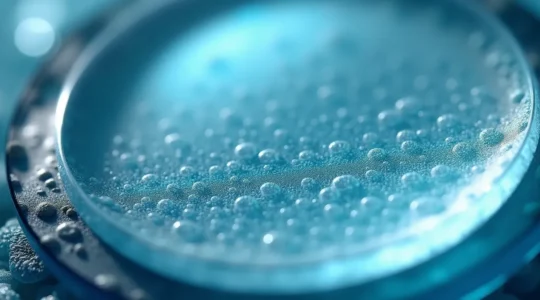
How Often Should You Really Replace Your Contact Lens Case?
Contrary to popular belief, rinsing your contact lens case is not enough; it rapidly becomes a primary vector for infection due to invisible biofilm formation. Micro-scratches on the plastic surface create havens for bacteria that even vigorous rinsing cannot remove….
Read more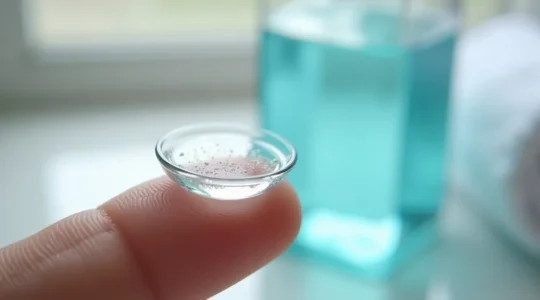
Why Do My Contact Lenses Look Cloudy Even After Cleaning?
The frustrating, oily film on your contacts isn’t just dirt; it’s a diagnostic sign that your tear film’s lipid layer is out of balance and binding directly to your lenses. Modern silicone hydrogel lenses are ‘lipophilic’ (oil-attracting), making them more…
Read more
Brand vs. Generic Contact Solution: A Chemical Analyst’s Breakdown of What’s Inside the Bottle
The critical difference between brand name and generic contact solutions isn’t the primary active ingredient, but the overall “formulation chemistry” which is often outdated in cheaper options and incompatible with modern lenses. Many generic solutions use older preservatives like PHMB,…
Read more
Why “No Rub” Solutions Still Require Rubbing for 100% Safety?
Despite “no-rub” marketing, mechanical rubbing is a non-negotiable step for complete contact lens safety because soaking alone cannot break down bacterial biofilm. Passive soaking disinfects but does not physically clean the lens surface from stubborn, glue-like deposits. Only the active…
Read more
Peroxide or Multipurpose: Which Disinfection System Is Safer for Your Eyes?
The debate over peroxide versus multipurpose solutions misses the critical point. True safety for your eyes isn’t determined by the solution in the bottle, but by your ability to master the specific routine required to defeat microbial threats. This guide…
Read more
Viral, Bacterial, or Allergic: A Triage Guide to Identifying Your Conjunctivitis
The key to managing a red eye isn’t just identifying the cause, but understanding the critical ‘red flags’ that separate a minor irritation from a sight-threatening emergency. Bacterial conjunctivitis typically involves thick, colored discharge, while viral is watery and often…
Read more