Health and prevention
Your eyes are remarkable organs that work tirelessly every waking moment, yet they’re often taken for granted until problems arise. The truth is, many vision-threatening conditions develop silently, without obvious symptoms, making proactive care and prevention not just beneficial but essential. Understanding how to protect your sight involves far more than simply getting glasses when you notice blur—it encompasses choosing qualified professionals, undergoing appropriate examinations, adopting protective lifestyle habits, and recognizing the profound connections between your overall health and your vision.
This comprehensive resource brings together the fundamental pillars of ocular health and prevention. Whether you’re navigating the healthcare system for the first time, managing a chronic condition that affects your eyes, or simply committed to preserving your vision for decades to come, the strategies outlined here provide a solid foundation for informed decision-making about your eye care.
Choosing the Right Eye Care Professional
The quality of your eye care begins with selecting the right professional. The eye care hierarchy can seem confusing, with optometrists, ophthalmologists, and various subspecialists all playing distinct roles. Understanding these differences empowers you to match your specific needs with the appropriate level of expertise.
Understanding Qualifications and Certifications
Recognized certification serves as your primary safeguard for quality care. Optometrists complete doctoral-level education and must pass rigorous licensing examinations before practicing. Ophthalmologists are medical doctors who complete additional specialized training in eye disease and surgery. When choosing a provider, verification of credentials isn’t paranoia—it’s prudence. Most regions maintain online databases where you can confirm a practitioner’s license status, certification dates, and any disciplinary actions.
The emergence of online consultation services has created new convenience but also new risks. While telehealth has legitimate applications, uncertified online consultations cannot replace hands-on examination for prescription accuracy or disease detection. Many sight-threatening conditions simply cannot be diagnosed through a webcam or questionnaire.
Specialty Care vs. General Practice
Just as you wouldn’t consult a general practitioner for complex cardiac surgery, certain eye conditions demand subspecialty expertise. A cornea specialist brings focused training to LASIK procedures that a general ophthalmologist may not possess. Pediatric eye care specialists use different equipment and techniques calibrated for children’s developing visual systems. Neuro-ophthalmologists investigate the intricate connections between vision and neurological function.
Understanding when to seek specialty care—and avoiding the error of delaying referral appointments—can make the difference between successful treatment and permanent vision loss. Private practices often provide more time for complex cases, while retail chains may offer convenience and competitive pricing for routine services. The key is matching the setting to your specific clinical needs rather than choosing based solely on cost or location.
The Foundation of Eye Health: Comprehensive Examinations
If prevention had a cornerstone, it would be the comprehensive eye examination. This isn’t simply reading letters on a chart—it’s a multilayered assessment of both visual function and ocular health that detects problems years before you’d notice symptoms yourself.
What Happens During a Complete Eye Exam
A thorough examination includes multiple components, each serving a specific diagnostic purpose. The refraction process determines your precise optical correction through both objective measurements (using digital refractors and automated instruments) and subjective feedback, where you indicate which lens options provide the clearest vision. This combination approach significantly improves prescription accuracy compared to automated measurements alone.
Technology has transformed this process considerably. Digital refractors can measure your eyes’ focusing characteristics in seconds, but they still require skilled interpretation and refinement. The human element remains irreplaceable—your subjective responses about clarity, comfort, and visual quality guide the final prescription in ways no machine can replicate.
Understanding Refraction and Prescription Accuracy
Several factors influence the accuracy of your examination results. Exam anxiety can actually affect your ability to focus, potentially skewing measurements. Some patients benefit from cycloplegic refraction, where eye drops temporarily paralyze the focusing mechanism to reveal the true refractive error—this is particularly valuable for children and young adults whose strong accommodation can mask farsightedness.
Timing matters too. Schedule your exam when you’re well-rested rather than after long screen time or when your eyes feel fatigued. For contact lens wearers, removing lenses for the recommended period beforehand (often 24-48 hours for rigid lenses) ensures measurements reflect your eyes’ natural shape rather than temporary molding from lens wear.
The Critical Role of Dilation
Many patients dread pupil dilation due to the temporary light sensitivity and near blur it causes, but for certain individuals and conditions, dilation is non-negotiable. It’s the only way to thoroughly examine the peripheral retina, where many serious conditions first appear. Peripheral vision loss often goes unnoticed because your brain fills in the gaps—by the time you notice a problem, significant damage may have occurred.
The risk of skipping dilation extends beyond missed diagnoses. Conditions like retinal tears, early glaucoma, and diabetic retinopathy frequently develop in the retinal periphery, invisible without dilation. Think of it like inspecting a house with half the lights off—you might spot major problems, but subtle warning signs remain hidden in the shadows.
Proactive Prevention Strategies for Long-Term Vision
Prevention isn’t passive—it requires conscious choices about how you treat your eyes daily. The good news is that many risk factors for vision loss are entirely within your control.
Lifestyle Factors That Matter Most
If you could make only one change to protect your vision, quitting smoking would deliver the greatest impact. Smoking is the top modifiable risk factor for multiple eye diseases, including macular degeneration and cataracts. The damage is dose-dependent and cumulative, but the benefits of quitting begin almost immediately as circulation improves and oxidative stress decreases.
Beyond smoking cessation, consider these evidence-based strategies:
- Maintain a healthy weight to reduce diabetes and hypertension risk, both major threats to retinal health
- Exercise regularly to promote optimal blood flow to ocular tissues
- Manage stress, which can exacerbate conditions like dry eye and may influence intraocular pressure
- Get adequate sleep to allow your eyes essential recovery time
Environmental Protection Essentials
The error of ignoring UV protection on cloudy days is surprisingly common. Ultraviolet radiation penetrates clouds and reflects off surfaces like water, sand, and snow—often when you least expect it. Cumulative UV exposure contributes to cataract formation, macular degeneration, and even ocular surface cancers.
Quality sunglasses that block 100% of UVA and UVB rays aren’t a luxury—they’re a medical necessity. Look for wraparound styles that limit peripheral light entry, and don’t assume darker lenses provide better protection; UV blocking is about the lens coating, not the tint. For outdoor workers and athletes, consider additional protection like wide-brimmed hats and UV-blocking contact lenses as complementary layers of defense.
Nutrition and Your Eyes
The connection between what you eat and how well you see is more direct than most people realize. Your retina has the highest metabolic rate of any tissue in your body, making it particularly vulnerable to nutritional deficiencies and oxidative damage.
Essential Nutrients for Ocular Health
Eating for retinal longevity means prioritizing specific nutrients with proven benefits. Omega-3 fatty acids, particularly DHA, structurally support retinal cells and stabilize the tear film, addressing both health and comfort. Lutein and zeaxanthin act as natural blue light filters within the macula, while vitamins C and E provide antioxidant protection against age-related damage.
Whole foods deliver these nutrients in their most bioavailable forms, surrounded by complementary compounds that enhance absorption and effectiveness:
- Leafy greens (spinach, kale) for lutein and zeaxanthin
- Fatty fish (salmon, sardines) for omega-3 fatty acids
- Colorful vegetables (carrots, sweet potatoes) for beta-carotene
- Citrus fruits and berries for vitamin C
- Nuts and seeds for vitamin E and healthy fats
Supplements: When and How to Use Them
While whole foods should form your foundation, supplements serve a legitimate role when dietary intake falls short or specific conditions exist. Learning to read supplement labels is crucial—for omega-3s, the triglyceride form typically offers superior absorption compared to ethyl ester forms, though both can be effective.
Important considerations include timing and interactions. Many fat-soluble nutrients (vitamins A, D, E, and omega-3s) absorb best when taken with meals containing healthy fats. However, high-dose omega-3 supplements carry a risk of bleeding interactions with certain medications like warfarin, making professional guidance essential before starting supplementation.
Contact Lens Care and Professional Oversight
Contact lenses are medical devices that require ongoing professional oversight, not one-time purchases you can indefinitely renew online. The medical necessity of regular monitoring stems from a simple reality: lens fit changes over time as your corneas age and your prescription evolves.
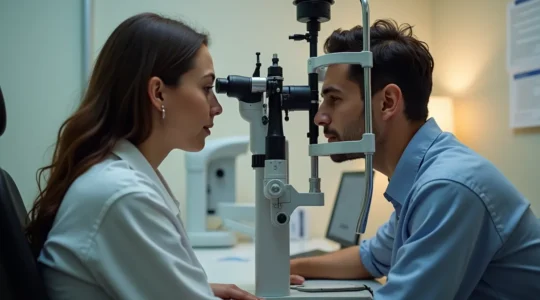
Doctors grade corneal health using specialized instruments like slit lamps that magnify the eye’s surface structures. These examinations can reveal asymptomatic damage—changes you cannot feel but that compromise your eye’s integrity. Online renewal apps may offer convenience, but they cannot perform slit lamp examinations or detect subtle signs of oxygen deprivation, protein deposits, or early infection.
The recommended annual renewal exists for your protection. Even if your vision feels stable, corneal health can deteriorate silently. The risk of asymptomatic damage is real: studies show that many contact lens complications develop without warning symptoms until they’ve reached advanced stages. Think of annual lens checks like changing your car’s oil—skip enough services and you’ll eventually face much costlier problems.
Systemic Health and Your Vision
Your eyes function as windows to your overall health, with many systemic diseases manifesting visible changes in ocular structures before causing other symptoms.
Diabetes and Eye Health
The systemic connection between diabetes and retinal health is particularly profound. Elevated blood sugar levels don’t just affect large blood vessels—they damage the delicate capillaries feeding your retina. Chronic hyperglycemia also causes the crystalline lens to swell, creating temporary prescription changes that resolve with better glucose control.
Diabetic retinopathy progresses through distinct stages, from mild background changes to sight-threatening proliferative disease where abnormal blood vessels grow across the retina. Preparing for a diabetic eye exam means understanding that you’ll need annual dilation regardless of whether you have symptoms. Paradoxically, rapid normalization of blood sugar after poor control can temporarily worsen retinopathy—a phenomenon requiring careful monitoring during treatment intensification.
Cardiovascular Connections
Cardiovascular health viewed through the retina reveals surprisingly detailed information. Retinal arteries directly reflect your heart health—they’re the only blood vessels doctors can directly visualize without invasive procedures. Changes in vessel caliber, tortuosity, and branching patterns can indicate hypertension, atherosclerosis, and stroke risk.
Hypertensive retinopathy produces distinct changes from diabetic retinopathy, though both conditions can coexist. The risk of retinal vein occlusion—essentially a “stroke” of the retina—increases substantially with uncontrolled blood pressure. Even dramatic-looking findings like subconjunctival hemorrhage (a bright red patch on the eye’s white surface) can relate to blood pressure spikes, though they’re usually harmless and resolve spontaneously.
Optimizing lifestyle for ocular blood flow means the same heart-healthy strategies your physician recommends: controlling blood pressure, managing cholesterol, exercising regularly, and avoiding smoking. Your eye doctor and primary care physician should be partners in your health—sharing information and coordinating care to address the whole person, not just isolated organs.
Protecting your vision is a lifelong commitment that integrates professional care, informed lifestyle choices, and awareness of your unique risk factors. By understanding what comprehensive care entails and why each component matters, you transform from a passive recipient of eye care into an active participant in preserving one of your most precious senses. The strategies outlined here form your foundation—consider exploring specific topics in greater depth as they relate to your individual circumstances and health goals.
Why Your Eye Doctor Asks About Blood Pressure Meds: A Window to Your Heart Health
That question about your blood pressure medication may feel irrelevant during an eye exam, but it’s one of the most critical you’ll be asked. Your eyes offer a direct, non-invasive view of your blood vessels, making them a powerful diagnostic…
Read more
Why Fluctuating Blood Sugar Causes Blurry Vision Even With New Glasses?
Your unstable vision is not a failure of your new glasses; it is a direct, real-time reflection of your blood sugar’s volatility and its impact on your eye’s internal structures. Temporary blurriness is caused by fluid shifts within the eye’s…
Read more
Fish Oil or Flaxseed for Dry Eye: Which Omega-3 Source Truly Works (and What’s the Vegan Option)?
For vegans with dry eye, simply increasing flaxseed intake is an inefficient strategy; the key is bypassing the body’s poor conversion process with a direct, plant-based source of EPA and DHA. The primary cause of most dry eye is meibomian…
Read more
Why 20/20 Vision Isn’t a Clean Bill of Health
Relying on 20/20 vision as a sign of health is a dangerous gamble; it only measures your distance sight, ignoring the silent diseases that can cause irreversible blindness. A comprehensive, dilated eye exam is the only way to detect conditions…
Read more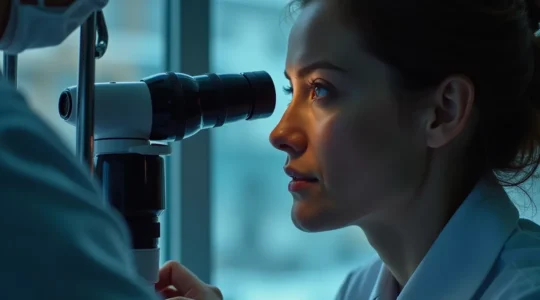
Why can’t you just reorder contacts forever without a checkup?
The ‘expired prescription’ notice isn’t a sales tactic; it’s a critical safety alert that your contact lenses—a class II medical device—require an essential inspection of the living tissue they sit on. Your eyes undergo microscopic changes in shape and chemistry…
Read more
How Often Should You Get an Eye Exam if You Have 20/20 Vision?
Relying on 20/20 vision as a sign of perfect eye health is a dangerous oversimplification; it measures only one aspect of a complex biological system. A comprehensive exam is a proactive data-gathering process that maps your unique “biological blueprint,” detecting…
Read more
Can Blue Light Filters Really Prevent Macular Degeneration in the Long Term?
Despite aggressive marketing, there is no strong scientific evidence that blue light from digital devices causes macular degeneration or that filter glasses prevent it. The primary drivers of age-related macular degeneration (AMD) are well-established genetic and lifestyle factors, not screen…
Read more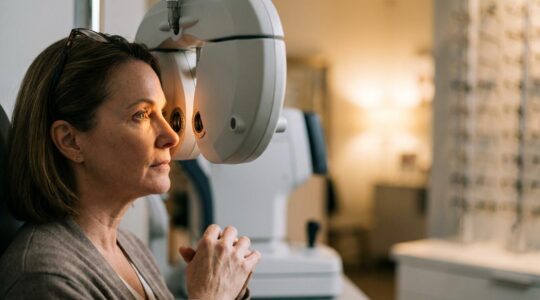
Is the “Air Puff” Test Really Necessary During Your Annual Refractive Exam?
The “air puff” test is more than just an uncomfortable moment; it’s an essential part of a larger diagnostic system protecting you from silent, irreversible vision loss. Skipping any part of the exam, including the pressure test, creates diagnostic “blind…
Read more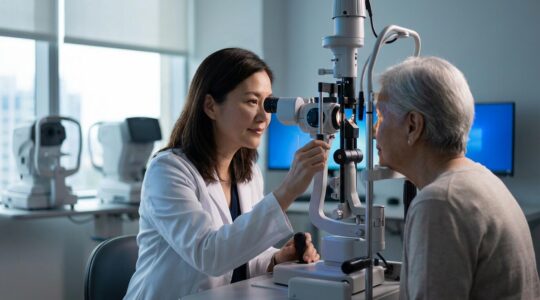
Retina Specialist or Generalist: Who Should Manage Diabetic Eye Care?
For patients with diabetes, relying solely on a general optometrist is a significant risk; proactive management of a multi-specialist team is the key to preserving long-term vision. Different diabetic eye complications, from childhood conditions to adult-onset glaucoma and retinopathy, require…
Read more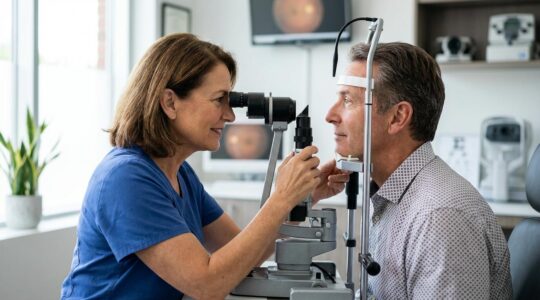
Ophthalmologist or Optometrist for Sudden Eye Pain? A Navigator’s Guide to the Right First Call
For sudden eye pain, choosing the right specialist isn’t about the title, but about who has the right diagnostic tools for an immediate, accurate assessment. An optometrist is the best first call for most urgent issues, equipped with technology a…
Read more