
For patients with diabetes, relying solely on a general optometrist is a significant risk; proactive management of a multi-specialist team is the key to preserving long-term vision.
- Different diabetic eye complications, from childhood conditions to adult-onset glaucoma and retinopathy, require distinct subspecialists.
- Your role as a patient is to become a proactive care coordinator, armed with detailed medical history and an understanding of when to seek specific expertise.
Recommendation: Don’t wait for a referral. Use this guide to identify which specialist you might need and learn how to navigate the system to secure an appointment.
As a patient managing diabetes, you are likely diligent about annual eye exams. The standard advice is clear: see an eye doctor every year for a dilated exam to screen for diabetic retinopathy. But this advice, while essential, often oversimplifies a complex reality. The question isn’t just *if* you should see an eye doctor, but *which* one. Is your general optometrist truly equipped to handle the nuanced and varied ways diabetes can impact your vision? Or does effective management require a deeper level of expertise?
The common approach places the burden of referral on your primary care doctor or general optometrist. Many patients passively wait, assuming they will be sent to a specialist when the time is right. This article challenges that assumption. We posit that the key to preserving your sight is not passive waiting, but active participation. It requires you to step into the role of your own care coordinator, understanding that different symptoms and stages of diabetic eye disease demand different, highly specialized experts—from pediatric ophthalmologists to cornea, glaucoma, and retina specialists.
This guide will move beyond the basic optometrist vs. ophthalmologist debate. We will explore specific, real-world scenarios where subspecialty care is not just beneficial, but critical. We will equip you with the knowledge to recognize the signs that you need a specialist, prepare effectively for your consultation, and even navigate the complexities of insurance to get the care you need. Your vision is too important to leave to chance; it’s time to take control.
This article will provide a detailed look into the various specialist roles in managing diabetic eye health. We’ll break down why and when you might need each one, providing the clarity needed to build your personal eye care team.
Summary: Navigating the World of Diabetic Eye Specialists
- Why Your 3-Year-Old Needs a Pediatric Specialist, Not a General Optometrist?
- How to Prepare Your Medical History for a Neuro-Ophthalmology Consult?
- Cornea Specialist or General Surgeon: Who Has Better Outcomes for Dry Eye Patients?
- The Cost of Waiting 3 Months to See a Glaucoma Specialist
- Problem & Solution: Getting Specialist Visits Covered Without a Primary Referral
- Non-Proliferative or Proliferative: Which Stage Requires Laser Treatment?
- Hypertensive or Diabetic Changes: How Do They Look Different on the Retina?
- Why Fluctuating Blood Sugar Causes Blurry Vision Even With New Glasses?
Why Your 3-Year-Old Needs a Pediatric Specialist, Not a General Optometrist?
The need for specialized care begins much earlier than most people realize, especially for children in diabetic families. While a general optometrist is skilled in routine eye care, the developing visual system of a child presents unique challenges that demand specific expertise. Young children often cannot articulate their symptoms or cooperate during a standard exam. A pediatric ophthalmologist has undergone additional fellowship training focused exclusively on the developmental window of a child’s vision, utilizing specialized, child-friendly equipment and non-verbal examination techniques.
This early specialization is critical because vision problems in children, if not caught during crucial developmental periods, can lead to permanent issues like amblyopia (lazy eye). Yet, there’s a significant gap in care; according to 2024 research, only 14% of children receiving eye exams are aged 7 years or younger. For a child with a family history of diabetes, this proactive screening is even more vital. A specialist’s approach is not to ‘wait and see,’ but to intervene early to ensure the visual system develops correctly.
The differences in training, equipment, and philosophy are substantial and directly impact outcomes. A general optometrist’s office is built for cooperative adults, while a pediatric specialist’s environment and tools are designed to get accurate readings from the most restless toddler.
As outlined by materials from Diabetes.org, the distinction between a generalist and a pediatric specialist is clear across multiple domains. This table highlights why a specialist is non-negotiable for a young child’s eye health.
| Aspect | Pediatric Specialist | General Optometrist |
|---|---|---|
| Training | Additional 1-2 years pediatric fellowship | Standard optometry degree |
| Equipment | Child-specific tools (portable slit lamps, retinoscopy racks) | Standard adult equipment |
| Examination Techniques | Non-verbal patient protocols | Cooperative patient methods |
| Development Window Expertise | Specialized in critical periods | General age range knowledge |
| Early Intervention Approach | Proactive intervention | Often ‘wait and see’ |
How to Prepare Your Medical History for a Neuro-Ophthalmology Consult?
When your eye issues intersect with neurological symptoms—such as unexplained vision loss, double vision, or visual field defects—you may be referred to a neuro-ophthalmologist. This subspecialty bridges neurology and ophthalmology to diagnose complex conditions. A consultation with this expert is not a routine check-up; it’s a deep diagnostic investigation. Your role as a proactive care coordinator is paramount here. The quality of your preparation can directly influence the speed and accuracy of your diagnosis.
Simply showing up is not enough. Neuro-ophthalmologists need to see patterns over time. This involves more than just your latest eye prescription; it requires a detailed history of your visual and non-visual symptoms. A vague complaint of “blurry vision” is far less useful than a detailed description of “transient grey-outs in my left eye that last 10 seconds.” You must become a meticulous historian of your own health, compiling documents, images, and timelines into a coherent package for the specialist to analyze.

This level of organization transforms you from a passive patient into an active partner in your diagnosis. By providing a well-prepared medical history, you enable the specialist to spend less time on basic information gathering and more time on high-level problem-solving. It demonstrates your commitment and empowers them to connect the dots between your diabetes, your neurological symptoms, and your vision.
Your Action Plan: Preparing for a Neuro-Ophthalmology Consult
- Create a chronological symptom timeline mapping both visual and non-visual symptoms (headaches, dizziness, tinnitus) to reveal diagnostic patterns.
- Document vision changes using specific descriptive terms like ‘shimmering edges,’ ‘color desaturation,’ or ‘transient grey-outs’ rather than generic descriptions.
- Obtain DICOM files of all MRI/CT scans on CD or USB; specialists need raw images, not just paper reports, as confirmed by experts at leading institutions like Mayo Clinic.
- Compile all previous visual field tests for comparison and progression tracking.
- List all current medications and their start dates, including any recent changes in dosage.
Cornea Specialist or General Surgeon: Who Has Better Outcomes for Dry Eye Patients?
Diabetes doesn’t just affect the retina in the back of the eye; it can severely impact the front surface, leading to chronic Dry Eye Disease. For many, the first line of defense is artificial tears recommended by a general optometrist. But when the condition becomes persistent and impacts quality of life, the question of specialization arises again. A cornea specialist is an ophthalmologist who has completed extra training focused specifically on the cornea, the eye’s clear front surface. Their approach to dry eye is fundamentally different from a generalist’s.
The principle of seeking targeted expertise is universal in complex medical care. As Retina Consultants of America aptly states, specialization leads to better outcomes, a concept that applies equally to the front and back of the eye.
The best type of eye doctor for diabetic retinopathy is a retina specialist. Retina specialists are ophthalmologists who have completed additional training in diseases and surgery of the retina and vitreous.
– Retina Consultants of America, Finding the Best Eye Doctor for Diabetic Retinopathy Treatment
A generalist often follows a stepwise protocol, escalating treatment only when initial therapies fail. A cornea specialist, however, aims to diagnose the root cause from the outset using advanced imaging and testing. They analyze the structure of your meibomian glands, measure the osmolarity of your tears, and track objective data points to tailor a treatment plan, which might include advanced procedures from the very beginning.
Advanced Treatment Approaches by Cornea Specialists
Mayo Clinic’s approach demonstrates how cornea specialists utilize objective data including Tear Break-Up Time, Meibomian Gland imaging, and osmolarity testing to track disease progression. Unlike generalists who typically follow a stepwise approach starting with artificial tears, specialists may implement advanced procedures like LipiFlow or IPL therapy from the outset based on root-cause analysis.
The Cost of Waiting 3 Months to See a Glaucoma Specialist
Glaucoma is often called the “silent thief of sight” because it typically causes no symptoms until significant, irreversible damage has occurred. For patients with diabetes, the risk of developing glaucoma is elevated. While a general optometrist can screen for high eye pressure, they may not have the equipment or expertise to detect the earliest structural changes to the optic nerve. This is the domain of a glaucoma specialist.
A delay in seeing this specialist—whether due to long wait times or a “wait and see” approach from a generalist—is not just an inconvenience. It can be measured in permanent, irretrievable loss of vision. A glaucoma specialist uses advanced imaging like Optical Coherence Tomography (OCT) to measure the thickness of the retinal nerve fiber layer with microscopic precision. They can detect thinning of this layer years before a patient notices any change in their visual field.
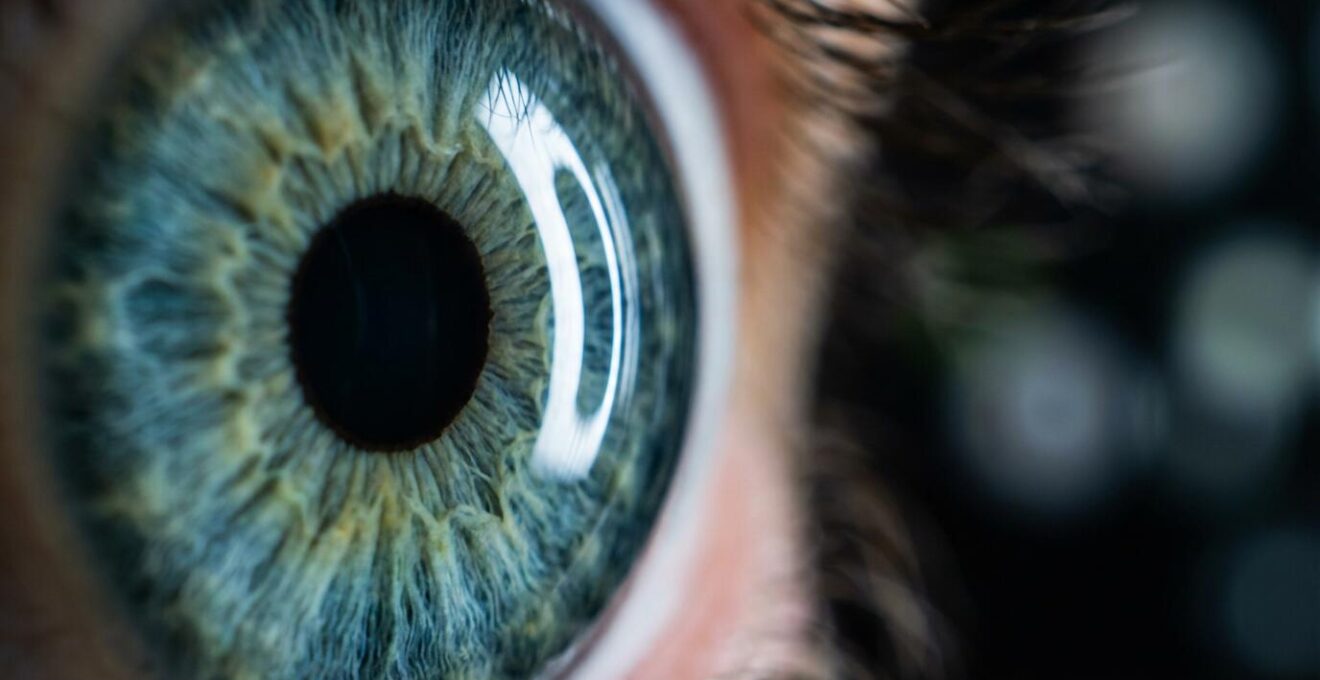
The “cost” of a three-month wait is the potential for thousands of optic nerve fibers to die off without intervention. This isn’t just a theoretical risk; it’s a biological reality. While a generalist might see a stable eye pressure and recommend a follow-up in a year, a specialist might see subtle nerve thinning on an OCT scan and immediately initiate pressure-lowering treatment to halt the progression. In glaucoma management, time is tissue. Every day of delay is a gamble with your peripheral and, eventually, central vision. The goal is not to act when vision is lost, but to act before it is ever threatened.
Problem & Solution: Getting Specialist Visits Covered Without a Primary Referral
Recognizing you need a specialist is the first step. The second, and often more daunting, is navigating the healthcare system to get an appointment covered by your insurance. Many patients believe they are stuck waiting for a referral from their primary care physician (PCP) or general optometrist, a process that can introduce critical delays. However, as a proactive care coordinator, you have more power than you think.
The key is to understand your insurance plan and the pathways available for direct access. While HMO plans typically require a PCP referral for any specialist visit, many PPO (Preferred Provider Organization) plans allow for self-referral. This means you can identify an in-network specialist, such as a retina or glaucoma expert, and book an appointment directly. This single piece of knowledge can save you months of waiting and give you control over your care timeline.
Furthermore, even within more restrictive plans, there are mechanisms to accelerate access. Learning to articulate your symptoms with symptom granularity is crucial. Describing “a sudden shower of new floaters and flashes of light” is much more likely to be classified as an urgent condition than simply “blurry vision.” Urgent conditions often bypass standard referral protocols. Additionally, the rise of telehealth has created a new, powerful tool. A low-cost virtual consultation with a specialist can provide the necessary “medical necessity” documentation to justify a fully-covered, in-person follow-up, effectively creating your own referral.
Non-Proliferative or Proliferative: Which Stage Requires Laser Treatment?
For decades, the management of diabetic retinopathy has been framed by a simple distinction: Non-Proliferative Diabetic Retinopathy (NPDR), the early stage, is monitored, while Proliferative Diabetic Retinopathy (PDR), the advanced stage characterized by abnormal new blood vessel growth (neovascularization), requires treatment like laser therapy. However, this binary view is outdated and oversimplified. Modern specialist care involves a much more nuanced decision-making process.
Today, a retina specialist’s decision to treat is not based solely on the NPDR/PDR classification. It’s based on the specific location and severity of damage seen on advanced scans. A patient might still be in the “non-proliferative” stage but have clinically significant Diabetic Macular Edema (DME), which is swelling in the central part of the retina. This condition can cause severe vision loss and often requires immediate treatment with injections or focal laser, even without the presence of PDR. In fact, research from leading institutions shows that proactive treatment is often initiated in cases of severe NPDR to prevent progression to the more dangerous proliferative stage.
Modern Treatment Decision-Making Beyond NPDR/PDR Classification
Mayo Clinic’s approach emphasizes that while proliferative diabetic retinopathy requires treatment, severe Non-Proliferative Diabetic Retinopathy (NPDR) often receives pre-emptive laser treatment. Modern decision-making using OCT scans prioritizes the location of damage and retinal ischemia over simple NPDR/PDR classification. Pan-Retinal Photocoagulation (PRP) targets PDR to stop new vessel growth, while Focal/Grid Laser addresses Diabetic Macular Edema which can occur in NPDR.
This highlights the immense value of a specialist. They aren’t just following a flowchart; they are interpreting complex data to make a judgment call that could save your sight. Given the high prevalence of this condition—as according to Wills Eye retina specialists, nearly all people with diabetes will show signs after 25 years—understanding these treatment nuances is not just academic, it’s essential for long-term health.
Hypertensive or Diabetic Changes: How Do They Look Different on the Retina?
Many patients with diabetes also have high blood pressure (hypertension), and both conditions can damage the small blood vessels of the retina. A general eye exam might simply note the presence of “hemorrhages” or “exudates,” but a specialist can perform a more detailed diagnostic nuance. They can distinguish the subtle signs of diabetic retinopathy from those of hypertensive retinopathy, which is critical for guiding the right systemic treatment.
For instance, a specialist knows that the tiny bleeds in diabetic retinopathy are typically dot-and-blot hemorrhages, which are deeper and rounder, indicating leakage. In contrast, hypertension often causes flame-shaped hemorrhages, which are more superficial. As Dr. Omesh Gupta of the Wills Eye Retina Service explains when viewing retinal images, this visual evidence is key to understanding the underlying mechanism of damage.
These red spots are areas of bleeding and the yellow spots are usually associated with areas of swelling. You can see in this retina circulation test that those areas initially start to light up and later in the study are leaking quite a bit.
– Dr. Omesh Gupta, Wills Eye Retina Service
This ability to differentiate is not merely academic. It informs whether the primary issue is uncontrolled blood sugar or uncontrolled blood pressure, allowing for more targeted collaboration with your primary care doctor or endocrinologist. The table below, based on information from expert sources like Wills Eye, breaks down these key differences a specialist looks for.
| Feature | Diabetic Retinopathy | Hypertensive Retinopathy |
|---|---|---|
| Hemorrhages | Dot-and-blot (deeper, rounder) | Flame-shaped (superficial) |
| Exudates | Hard exudates (leaked lipids) | Cotton-wool spots (micro-strokes) |
| Vessel Changes | Microaneurysms, neovascularization | AV nicking, copper wiring |
| Location | Throughout retina, especially macula | Along vascular arcades |
| Primary Mechanism | Vessel leakage | Vessel ischemia |
Key Takeaways
- Relying on a general optometrist is insufficient for comprehensive diabetic eye care; various subspecialists are needed for different complications.
- The patient’s role must shift from passive recipient to proactive care coordinator, managing appointments, history, and communication between doctors.
- Early and targeted specialist intervention—whether for pediatric, glaucoma, or retinal issues—is the most effective strategy for preserving long-term vision.
Why Fluctuating Blood Sugar Causes Blurry Vision Even With New Glasses?
One of the most common and confusing symptoms for a person with diabetes is blurry vision that comes and goes, even with a brand-new pair of glasses. Many immediately fear the worst—that their retinopathy is rapidly progressing. While this is a possibility that must be ruled out by a professional, there is often a much more direct, and temporary, cause: fluctuations in your blood sugar.
This type of blurry vision is not caused by permanent damage to the retinal blood vessels. Instead, it’s a direct osmotic effect on the lens of your eye. As the MedlinePlus Medical Encyclopedia explains, this is a mechanical, not pathological, change.
High blood sugar can cause blurred vision that is not related to diabetic retinopathy. This kind of blurred vision is caused by having too much sugar and water in the lens of the eye, which is in front of the retina.
– MedlinePlus Medical Encyclopedia, Diabetes Eye Care Guidelines
When your blood glucose is high, it can cause the lens to swell, which changes its shape and alters its focusing power. This is why getting a new glasses prescription during a period of poor glycemic control is a mistake; the prescription will only be accurate for that specific, elevated blood sugar level. As your sugar normalizes, the lens returns to its normal shape, and your “new” glasses will suddenly seem wrong. The key is to achieve stable HbA1c levels for 2-3 months before being refracted for a new prescription.
Understanding this mechanism empowers you. It helps you distinguish between a temporary issue related to blood sugar control and a more persistent problem that requires an urgent specialist visit. Here are some actionable steps to manage this phenomenon:
- Track your vision changes alongside your blood glucose readings in a log to identify clear patterns.
- Wait for your HbA1c levels to be stable for 2-3 months before getting a new glasses prescription.
- Learn to distinguish temporary blur (which improves as blood sugar normalizes) from persistent blur, flashes, or floaters, which require urgent medical attention.
- Keep your blood pressure below 130/80 mmHg, as high blood pressure can worsen diabetic eye changes.
- Never skip your annual dilated eye exam, even if your vision seems stable.
Your vision is a critical part of your quality of life. By embracing your role as a proactive care coordinator and seeking out the right specialist for the right problem at the right time, you are making the single most important investment in its preservation. Don’t wait for a symptom to become a crisis; begin the conversation about specialist care with your healthcare team today.
Frequently Asked Questions About Diabetic Eye Care Specialists
Can I see a retinal specialist directly with a PPO insurance plan?
Yes, many PPO plans allow self-referral to specialists. Check your insurance portal for in-network specialists and book directly without a primary care referral.
What symptoms qualify as ‘urgent’ for direct specialist access?
Sudden onset of flashes and floaters, transient vision loss, and acute eye pain often qualify as urgent symptoms that may bypass referral requirements in many insurance plans.
Can telehealth consultations help obtain specialist referrals?
Yes, low-cost telehealth consultations with specialists can provide ‘medical necessity’ documentation to justify subsequent fully-covered in-person visits.